 Adeel Malik
Hijab ban in a Muslim-majority country? It doesn’t add up. And yet this is sadly exactly what’s happened in Azerbaijan by the secular government – the Muslim Council of Hong Kong and most Muslims worldwide condemn this violation of religious freedom of practice.
The Republic of Azerbaijan has become the center of a growing controversy over religious freedom after new school dress-code regulations effectively restricted the wearing of hijabs by some students and teachers, as reported by various news channels.
Allah talks about those who want to restrict Islamic practice in the Quran 61:8
“They wish to extinguish Allah’s light with their mouths, but Allah will ˹certainly˺ perfect His light, even to the dismay of the disbelievers.”
The measures by the Azerbaijan government have triggered protests, arrests and diplomatic tensions with Turkey, one of Baku’s closest allies.
The controversy raises questions about the boundaries between state secularism and individual religious freedoms in a country where approximately 96 percent of the population identifies as Muslim.
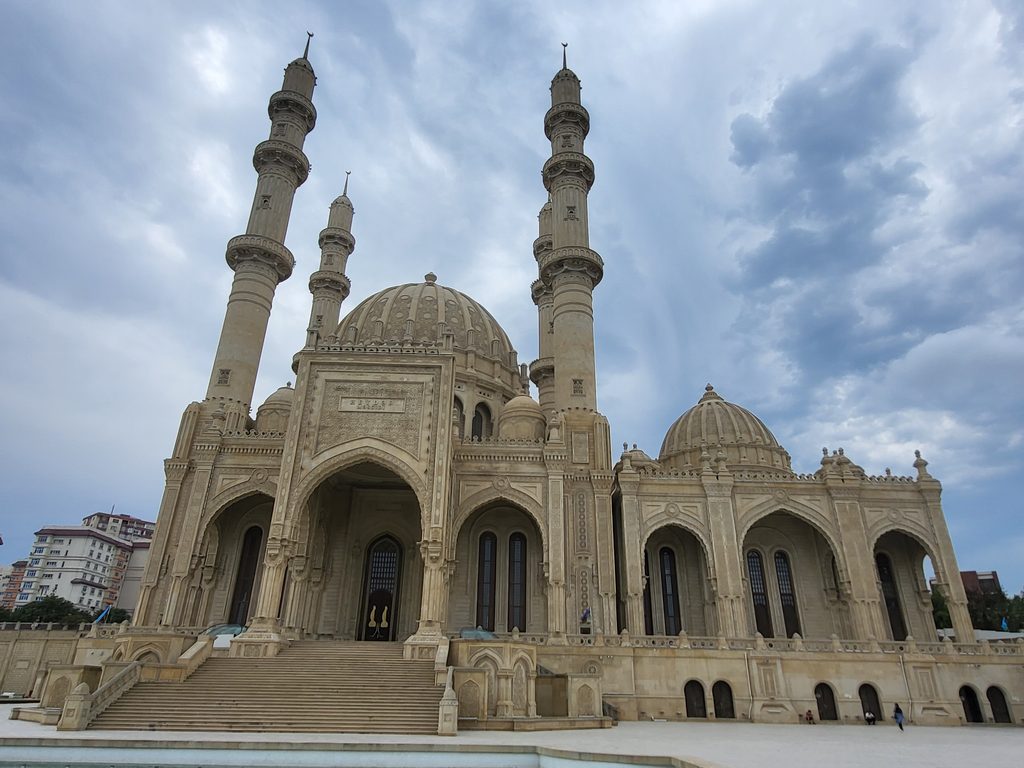
New Regulations Under the Banner of Secularism
In September 2026, Azerbaijan introduced amendments to school uniform regulations aimed at maintaining a standardised dress code and upholding the country’s secular principles.
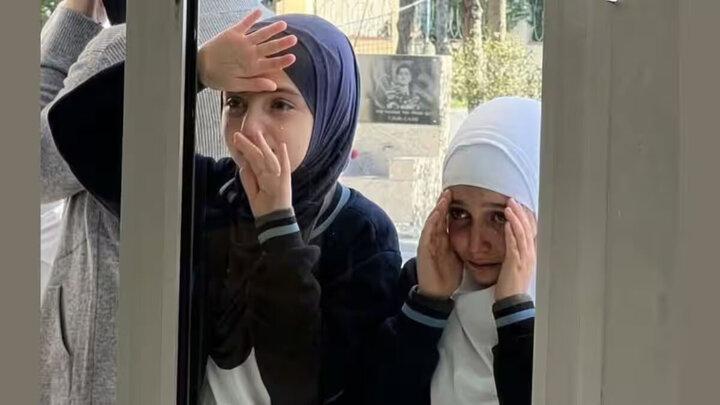
Although the regulations do not explicitly ban the hijab, some schools have reportedly prevented female students and teachers wearing headscarves from entering classrooms.
The government maintains that the measures are intended to protect secular education and ensure uniformity in schools.
Critics, however, argue that their implementation restricts religious expression and raises concerns about students’ access to education.
Again, keep in mind, this is in a Muslim-majority country.
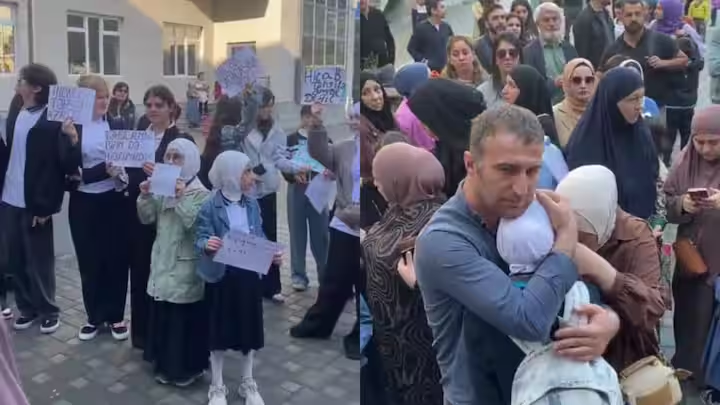
Protests and Arrests
The restrictions have sparked demonstrations and school boycotts, with videos circulating on social media showing students expressing distress as teachers wearing hijabs were turned away.
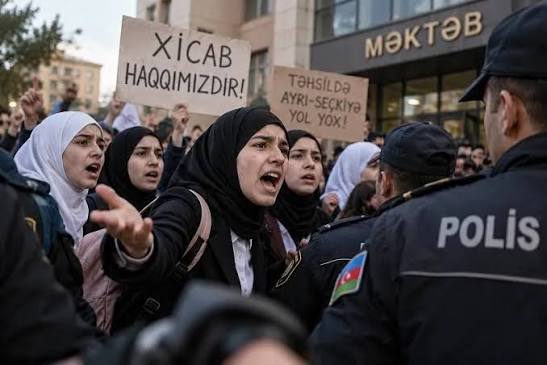
On October 12, Azerbaijan’s Interior Ministry announced that 37 people had been detained in connection with incidents surrounding the implementation of the school dress code in Baku. Authorities alleged that some individuals had engaged in violence and attempted to disrupt public order.
Meanwhile, imprisoned journalist Polad Aslanov announced a hunger strike in protest against violations of constitutional rights.
Tensions with Türkiye
The controversy has also spilled over into relations between Azerbaijan and Turkey. Demonstrations against the restrictions were held outside Azerbaijan’s consulate in Istanbul, while Turkish political figures criticised the measures.
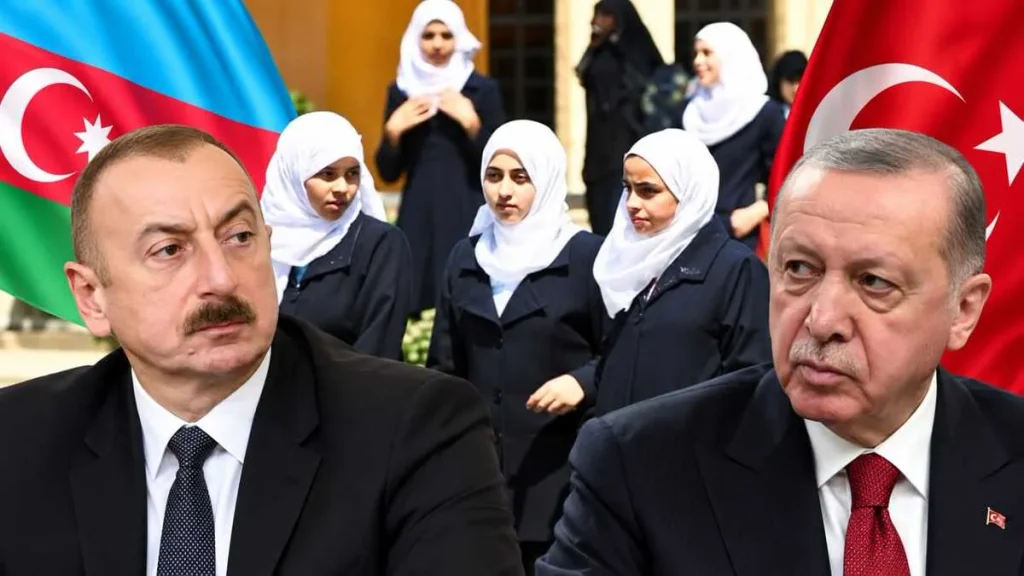
Azerbaijan’s ruling New Azerbaijan Party subsequently accused Turkey’s governing Justice and Development Party (AKP) of exploiting the controversy to create divisions.
President Ilham Aliyev also issued a veiled warning against foreign interference, saying that others should not interfere with Azerbaijan’s way of life.
The dispute has highlighted tensions between the two allies over religious expression and the interpretation of secularism. Remember, Turkey became a secular state in the 1920s, but in the early 2000s, Islamic practices were allowed to return under the current government.
A Broader Debate over Religious Freedom
The controversy is not entirely new. Azerbaijan faced similar disputes over the wearing of hijabs in schools in 2010, when education officials sought to enforce uniform dress codes.
The issue has repeatedly exposed tensions between the country’s secular political system and the religious practices of a predominantly Muslim population.
Azerbaijan’s constitution guarantees religious freedom while defining the state as secular. Critics argue that preventing students from attending classes because of their headscarves raises questions about how these constitutional principles are being applied.
The central question is whether Azerbaijan’s new regulations represent an effort to maintain secular education or an expansion of state restrictions on public expressions of Islam.
As protests continue and tensions with Turkey grow, the dispute has evolved beyond school uniforms into a wider debate over religious freedom, state authority and the meaning of secularism in Azerbaijan.
May Allah protect the Muslims rights of practice and deal with those who oppress the Ummah.